

Choosing the right mango puree manufacturer is not just a procurement decision—it is a quality assurance strategy that directly impacts the final food product. Whether the puree is used in beverages, ice creams, jams, or bakery fillings, consistency and safety are non-negotiable.
In a growing industrial hub like Bengaluru, Karnataka, food manufacturers often depend on structured suppliers who can meet both domestic and export requirements. This makes the selection process highly critical.
A reliable mango puree manufacturer must first demonstrate strong raw material sourcing capabilities. The quality of mangoes—especially varieties like Totapuri and Alphonso—determines the flavor, color, and consistency of the final puree. Manufacturers should have direct or controlled sourcing systems to avoid variability.
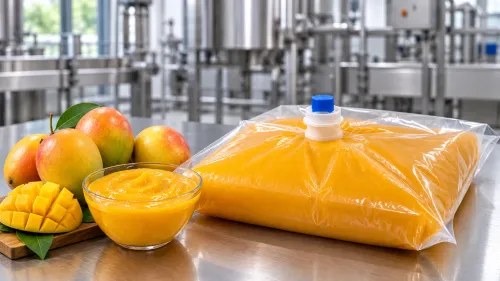
Processing capability is another major factor. The facility should include modern pulping machines, controlled pasteurization systems, and hygienic handling environments. These ensure that the puree retains its natural properties while meeting safety standards.
Companies like Zeus India Enterprise operate within structured processing systems designed for industrial food supply chains, supporting manufacturers with consistent quality outputs suitable for large-scale production.
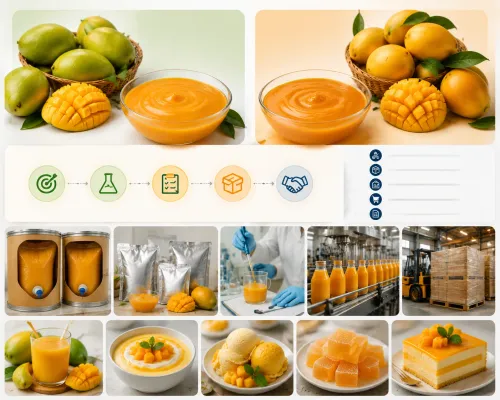
A practical checklist for evaluating suppliers includes:
1. Quality Certifications
HACCP compliance
ISO certification
Food safety audits
2. Production Infrastructure
Automated pulping systems
Controlled thermal processing
Hygienic filling environments
3. Packaging Standards
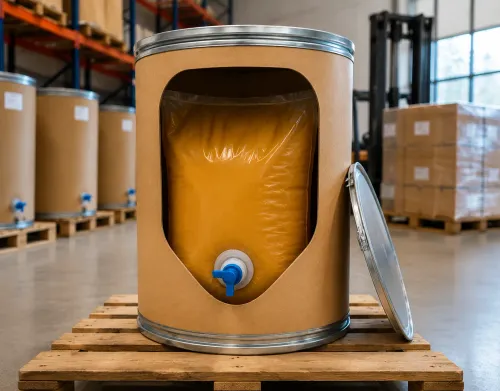
Aseptic bag in drum capability
Leak-proof and export-grade packaging
Long shelf life assurance
4. Supply Chain Strength
Ability to handle bulk orders
Timely delivery consistency
Seasonal supply stability
5. Product Flexibility
Adjustable Brix levels
Custom acidity control
Variety-specific puree options
Another important factor is transparency. Reliable manufacturers provide lab reports, batch testing data, and traceability documentation for every shipment. This helps food companies maintain compliance with international food safety regulations.
Manufacturers should also evaluate scalability. As product demand grows, suppliers must be able to increase production without compromising quality. This is especially important for beverage and dairy companies with seasonal demand spikes.
In Bengaluru’s competitive food processing landscape, selecting the right partner ensures not just raw material supply but long-term operational stability.