
Alphonso puree does not stop being available when fresh mangoes become difficult to collect, but monsoon weather can affect the crop, processing window, road movement, port schedules, and remaining inventory. By the end, you will know when to forecast demand, how much supply risk to investigate, and which production, quality, storage, and shipment details to confirm before placing an order.
Key takeaways
- Expect peak Alphonso harvesting from April through June, with heaviest rain near the crop’s end.
- Ask suppliers how rainfall affected fruit intake, maturity, pulp colour, and batch consistency.
- Reserve puree before the late-season monsoon overlap when your production schedule depends on Alphonso.
- Confirm batch records, aseptic packaging, storage conditions, and delivery lead times before buying.
Why the Monsoon Overlaps Only Part of the Alphonso Processing Season
Alphonso’s main Indian harvest runs from roughly April through June, while the southwest monsoon reaches Kerala around 1 June and withdraws during September–October. The heaviest rain therefore overlaps the tail end of the crop, not the full flowering-to-harvest cycle.
| Crop stage | Usual timing | Monsoon connection |
|---|---|---|
| Flowering and fruit set | December–February | The southwest monsoon has not started, so its normal onset does not disrupt these stages. |
| Fruit development and ripening | March–April | Pre-monsoon showers can affect orchard conditions, but the crop is already established. |
| Main harvest and processing | April–May | Much of the fruit reaches factories before sustained monsoon conditions. |
| Late harvest and factory intake | May–June | Rain can hinder picking, collection, road access, sorting and processing throughput. |
| Post-campaign supply | After June | Fresh Alphonso becomes scarce; finished puree supplies continue from earlier processing. |
This timing explains why the monsoon effect on alphonso mango puree supply is often indirect. Rain after fruit has been pulped cannot reduce that season’s raw-fruit volume, but it can restrict late-crop procurement and delay transport to processing plants.
For alphonso mango puree seasonal supply, the commercial shift is from fresh-fruit intake to inventory drawdown. Processors convert fruit into aseptic puree during the campaign, so monsoon-period availability depends on the required specification, pack format, production allocation, remaining shelf life and export schedule—not simply on whether orchards are still harvesting.
How Rain, Humidity, and Storms Change Fruit Yield and Puree Quality
Excessive rain can reduce usable Alphonso puree output even when orchards produce enough fruit. Flowers and young fruit may drop, fungal damage increases, harvest access becomes difficult, and sorting removes more fruit before pulping.
The main weather pathways are:
- Delayed rain during flowering or fruit development can reduce fruit set, fruit size, and maturity uniformity, leaving fewer harvest-ready mangoes.
- Unseasonal showers during ripening can cause fruit drop, cracking, disease spread, and uneven sweetness, colour, flavour, and soluble-solids levels.
- High humidity supports anthracnose and powdery mildew, raising rejection rates and batch variation.
- Waterlogging limits root function and orchard access; fruit collection slows while damaged or poorly matured mangoes increase.
- Cyclones can break branches, strip flowers and fruit, damage roads, and interrupt transport to processing plants. A short harvest window can then produce lower throughput and higher sorting losses.
Rain close to harvest also brings wetter, more variable consignments. The pulp may show differences in soluble solids, acidity, viscosity, colour, and flavour, so a certificate of analysis matters more than the Alphonso label alone.
The monsoon effect on Alphonso mango puree supply is often indirect: rainfall before or during harvest affects collection, logistics, sorting, and processing. Rain after fruit has been pulped cannot reduce that season’s raw-fruit volume, but it can disrupt late procurement and delivery.
Why Alphonso Puree Can Remain Available During the Monsoon
Fresh Alphonso fruit is usually not the source of monsoon deliveries. India’s main Alphonso harvest and processing campaign runs broadly from April through June, so processors convert much of the crop into aseptic puree before or around the start of the southwest monsoon.
That makes Alphonso puree availability in India different from fresh-fruit availability. During the monsoon, supply can come from both late harvesting and previously processed stock, but stored aseptic puree normally carries the larger share after the main crop has ended.
A buyer’s available quantity depends on more than a processor’s opening inventory. Check whether the offered material has:
- The required Alphonso specification, including Brix, colour, flavour profile, acidity, and pulp texture
- A confirmed production campaign or finished batch allocation
- The required aseptic bag, drum, or container format
- Enough remaining shelf life for production, transit, and customer release
For mango puree supply during monsoon, separate product availability from delivery availability. A processor may hold suitable aseptic stock while road flooding, port congestion, or carrier schedule changes delays movement to your plant or export port.
Rain after pulping cannot reduce the season’s processed fruit volume, but it can restrict late-crop collection and transport. Therefore, a monsoon offer backed by batch details, remaining shelf life, and a dispatch plan is more dependable than a spot statement that puree is “available.”
When to Forecast, Reserve, and Build a Monsoon Supply Buffer
Plan the requirement before the April–June Alphonso processing campaign, not after monsoon disruption appears. For Alphonso mango puree seasonal supply, forecast demand through the next confirmed production and export window, then reserve part of the volume during the campaign or immediately after it.
1. Four to six months before the expected campaign, issue a demand forecast covering production volumes, pack format, specification, and delivery dates. Ask suppliers to state opening aseptic inventory, planned campaign allocation, remaining shelf life, and minimum order quantity.
2. During or shortly after April–June processing, secure the core requirement against a confirmed production allocation or finished-stock reservation. Do not treat a verbal indication that puree is “available” as coverage for your quantity and specification.
3. Maintain a rolling stock position rather than buying only when a shipment is due. Set the buffer to cover demand from the start of monsoon disruption through the next reliable replenishment arrival, including your normal plant and transport lead time.
4. Calculate a separate logistics reserve for mango puree supply during monsoon. Adequate stock at the processor does not protect you from flooded roads, container shortages, port congestion, or carrier cancellations.
5. Before the campaign closes, approve a substitute Alphonso grade, blend, or alternate pack only if your formulation team has tested it. Record the exact change-control conditions before a shortage forces a rushed decision.
Review stock, shelf life, and open orders monthly; reforecast after cyclone warnings, major harvest delays, or a missed dispatch. Discarded or expired buffer stock costs more than a planned reservation.
What to Confirm Before You Buy Alphonso Mango Puree from India
A search for buy alphonso mango puree india does not confirm supply. Ask whether the quoted quantity is finished, exportable stock or a production allocation, then match it against your specification and delivery date. alphonso mango puree availability india depends on that distinction, not on fresh fruit still being sold during the monsoon.
| Check | Dependable offer | Unverified spot offer |
|---|---|---|
| Product | Alphonso-only declaration, fruit origin and region, campaign year, aseptic or frozen format, °Brix, acidity, colour, viscosity, additives and microbiological limits | “Alphonso puree” without blend tolerances, cultivar proof or technical specification |
| Inventory | Batch numbers, production dates, quantity on hand, certificate of analysis and remaining shelf life at dispatch and arrival | A verbal stock claim with no lot allocation or shelf-life evidence |
| Transport | Confirmed pickup date, port or delivery point, Incoterm, container booking, export documents and protection against monsoon delays | A shipment window that depends on finding fruit or transport after payment |
| Contract | Written quantity reservation, delivery schedule, specification tolerance, replacement terms and claims procedure | Price and availability subject to change after the order |
For aseptic puree, confirm the drum or bag-in-box format, pallet configuration and ambient storage instructions; do not assume frozen logistics apply. Ask Zeus India Enterprise to identify the allocated batch and state whether the quantity is already processed or reserved from a scheduled campaign.
A dependable contract also states what happens if the batch fails colour, viscosity, microbiological, or sensory requirements. If the seller cannot provide these details before payment, treat the offer as unverified rather than as secured monsoon supply.
Related product
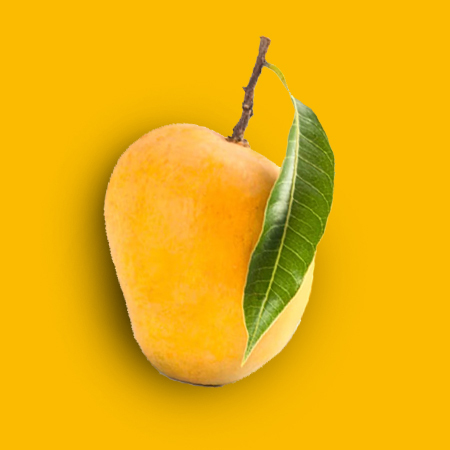 | Alphonso Mango Puree Zeus India is a trusted exporter and supplier of premium Alphonso Mango Puree in India, known for delivering rich taste, natural aroma, vibrant... View product → |
Frequently asked questions
Does the Indian monsoon affect the entire Alphonso processing season?
No. Alphonso’s main harvest runs roughly from April through June, while the southwest monsoon reaches Kerala around 1 June. Heavier rain overlaps mainly with the tail end of harvesting, not the full crop cycle.
How can rain and humidity affect Alphonso mango yield and puree quality?
Rain during late harvesting can disrupt picking and transport, increase field humidity, and affect the volume and condition of fruit reaching processors. Ask for information on fruit maturity, puree colour, consistency, and batch results rather than judging supply by rainfall alone.
Why can Alphonso mango puree remain available during the monsoon?
Processors can convert harvested mangoes into aseptic puree during the processing season and hold sealed product for later use. Availability therefore depends on harvested stock, processing capacity, inventory, specifications, and delivery planning—not only on current weather.
When should you reserve Alphonso mango puree for monsoon production?
Reserve before the late-season harvest overlap when your manufacturing schedule depends on a fixed Alphonso specification. Build a buffer when replenishment lead times could interrupt production or when you need consistent colour, flavour, and viscosity across batches.
What should you confirm before buying Alphonso mango puree from India?
Confirm the product specification, Brix range, acidity, colour and viscosity targets, aseptic pack size, batch and production dates, storage conditions, test documents, export paperwork, lead time, and contingency stock plan.