

In the global food processing industry, quality standards are not optional—they are mandatory requirements for market access. Fruit puree suppliers must adhere to strict international regulations to ensure safety, consistency, and compliance.
For exporters based in Bengaluru, Karnataka, maintaining these standards is essential for reaching markets in Europe, the Middle East, and Southeast Asia.One of the most important quality indicators is microbial safety. Fruit purees must be free from harmful bacteria, yeast, and mold. This is achieved through controlled pasteurization and hygienic processing environments that minimize contamination risks.
Another critical parameter is Brix level consistency. Brix measures the natural sugar content in fruit puree, and maintaining uniformity ensures consistent taste across production batches. Even minor variations can affect final product formulation in beverages and dairy products.
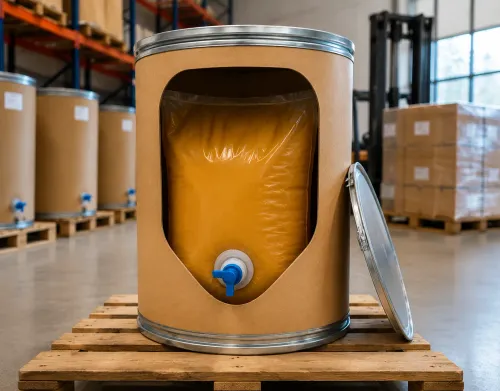
Suppliers must also ensure proper pH balance and acidity control, which directly affects flavor stability and shelf life.Aseptic packaging plays a central role in maintaining these standards. Systems like aseptic bag in drum packaging prevent external contamination and allow long-term storage without preservatives.
In Bengaluru’s food processing industry, companies like Zeus India Enterprise follow structured quality control systems designed to meet export-grade requirements for fruit purees.
Essential export quality standards include:
1. Certification Compliance
HACCP certification
ISO food safety standards
Global audit readiness
2. Product Consistency
Uniform color and texture
Stable viscosity levels
Standardized flavor profile
3. Safety Testing
Microbiological testing
Chemical residue analysis
Batch-wise quality validation
4. Traceability Systems
Batch coding
Raw material tracking
Production record documentation
Export markets often require detailed documentation for customs clearance. Suppliers must provide test reports, certification copies, and compliance declarations.
Maintaining these standards not only ensures regulatory approval but also builds long-term trust with international buyers.
For food manufacturers, sourcing from compliant suppliers reduces operational risk and ensures smooth production without quality disruptions.